
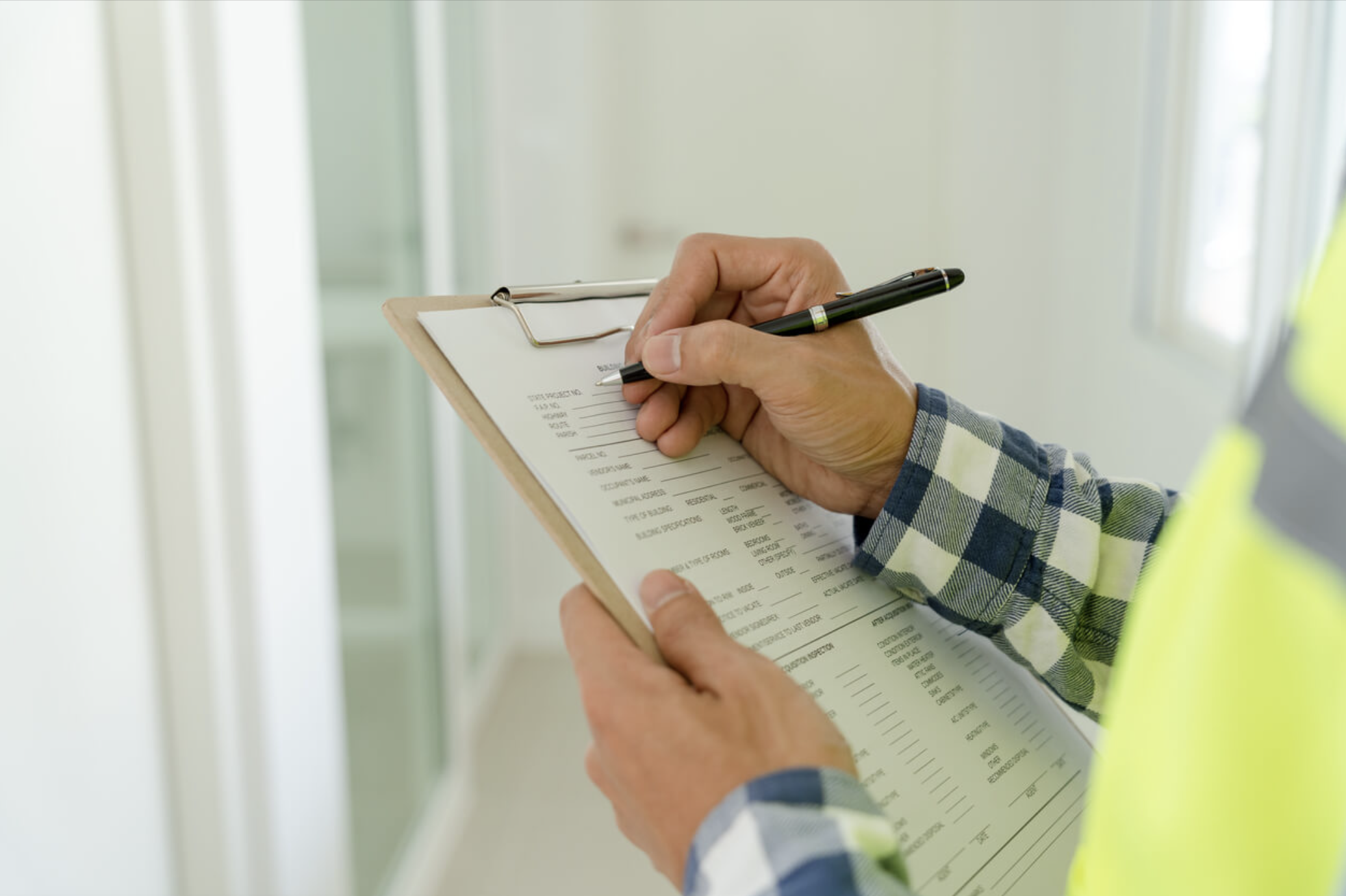
There’s a lot I can do for you as a home inspector. Generally, it’s any home inspector’s job to come check out your property and make sure it’s structurally sound, fully functional, and safe to live in. Under New York state law, that includes the foundation, framing, roof, mechanical systems, and structural components. However, just like there’s a minimum for what home inspectors must do for you, there’s also a maximum of what we can do. Here are some things that typically aren’t included in an inspection:
NOT INCLUDED: Appraisal
Despite their similarities, inspection and appraisal are different. A home inspector can’t give you an estimate of your home’s market value, though inspections tend to be a lot more thorough than what an appraisal will look for.
NOT INCLUDED: Inspecting hidden components
Though New York home inspectors are bound to certain things they legally must inspect, that only applies to visible and accessible areas. Don’t expect a home inspection to check on anything that requires opening up walls or other invasive construction procedures. However, inspections do include insulation and crawl spaces.
NOT INCLUDED: Moving personal belongings
Just like we won’t be tearing into walls, we also can’t make areas of the house visible and accessible for you if they’re blocked by furniture or other personal belongings. If there’s a particular area of the home you want to get eyes on, make sure its path is clear before an inspector arrives.
NOT INCLUDED: Repairs
Repairs may be allowed in some states after the sale is complete and escrow is released, but inspectors in New York aren’t legally authorized to perform repairs. But that can actually be a good thing! Think about it: would you want the same person who tells you your HVAC system needs fixing to be the same person who makes money off fixing it? This would be a conflict of interest, so while inspectors can diagnose issues with your home, getting them resolved is up to you and any repair professionals you hire.
TYPICALLY NOT INCLUDED: Lead or asbestos testing (in a standard home inspection)
An inspector can help you uncover a plethora of potential safety issues with your home. However, testing for certain hazardous materials like asbestos or lead requires additional licensing and certification. The good news is that any exclusions to an inspector’s services will be clearly stated before you sign any contract, and if an inspector suspects asbestos or lead, they can help advise you in bringing in an appropriate specialist.
Knowing what a home inspection does and doesn’t cover can be complicated, but if you’re looking for an inspection on Long Island, I can help answer your questions and get you started! Feel free to reach out to me!
