
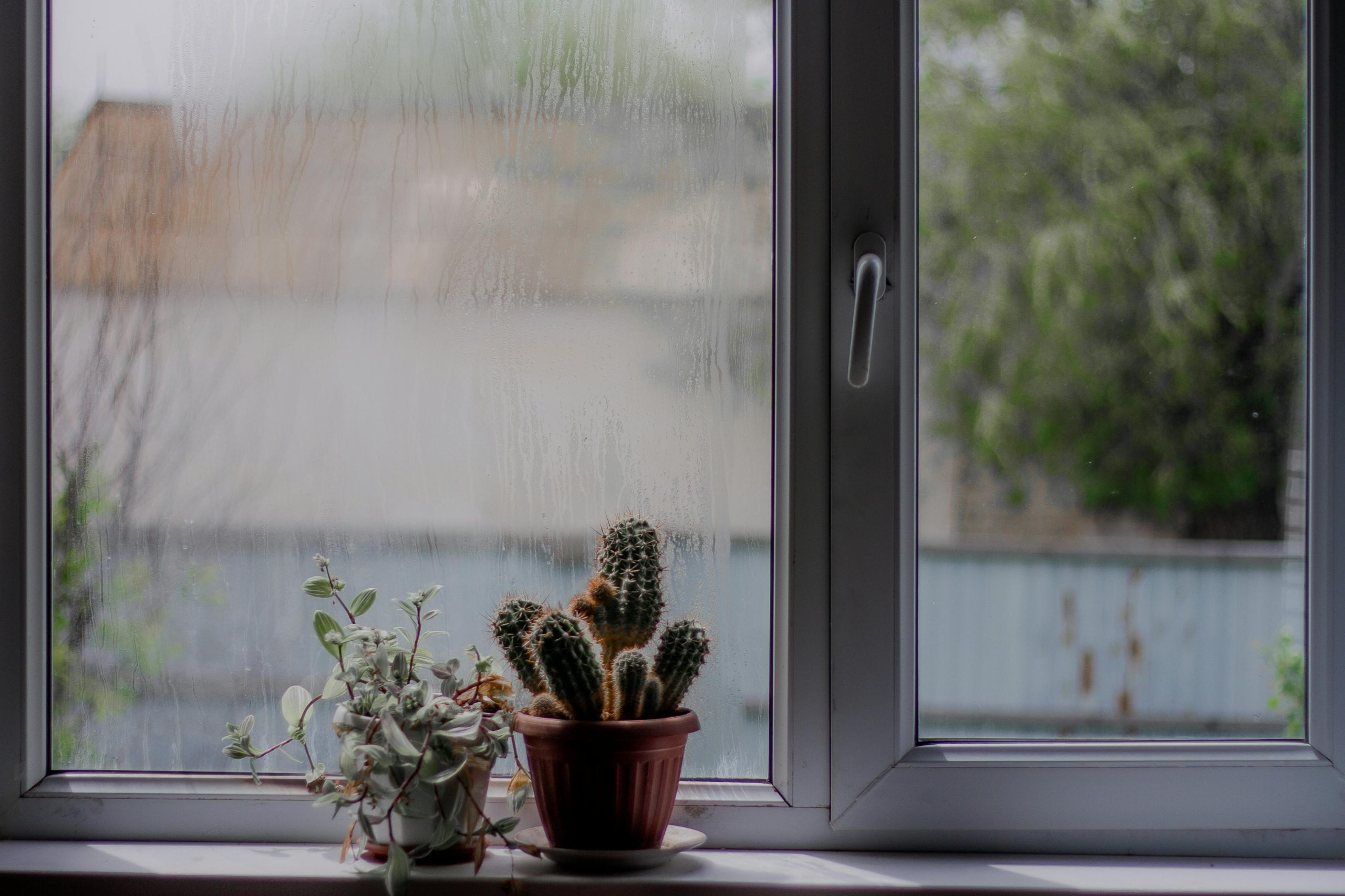
As the temperatures start climbing back up after a long winter, so do the humidity levels. According to Weather Spark, May is the beginning of Long Island’s humid season, which typically peaks around July or August. But humidity does more than just make you feel sticky and sweaty. Humidity — both indoors and outside — can affect your home.
The good news is there’s still time to humidity-proof your home, and now is also a good time to have an inspector check for any past damages before the humid season ramps back up. Here are some potential issues it can cause, and more importantly, what you can do about them (hint: an inspection can help!)
Humidity can lead to mold and mildew
Mold loves moisture, and moisture in the air counts. In order to avoid mold growth, the CDC recommends keeping humidity levels in your home no higher than 50%. If you’re not sure how to measure your home’s humidity levels, a moisture or humidity gage from your local hardware store can help.
This percentage is technically measuring relative humidity, which compares current moisture levels against the maximum amount of water vapor that can exist in the air at its current temperature. Basically, if your home’s humidity should be below 50%, the air should hold half as much moisture as it possibly can or less.
In some cases you’ll be able to see (and/or smell) the mold problem yourself, but an inspector can help you confirm it, and chances are they’ll have recommendations for who to contact to solve it. An inspector can also help you determine any sources of leaks that could be making the mold worse — without identifying these, the mold will just come back.
Humidity can damage furniture and walls
Most indoor furniture is meant to stay dry. Anything made of wood is particularly susceptible to humidity damage since wood is hygroscopic, meaning it can absorb moisture from the air. As it does that, it grows and shrinks, potentially causing it to warp and crack over time. That risk applies to your wood furniture, but it could also include your window and door frames and hardwood floors, which can balloon into much bigger structural issues.
If you notice peeling or curling wallpaper, that could indicate a humidity problem, too. Exterior walls face even more humidity risks since they’re where warm air meets a cooler surface. An inspector can give your home’s structural integrity a checkup to give you peace of mind.
How to reduce humidity in your home
There’s the obvious answer of using a dehumidifier, but the easiest method is something your home probably already has: air conditioning. It works by removing moisture from the air, thereby dropping the humidity. Of course, this only works if your HVAC is functioning, and works even better if your filters are in good shape — that’s something else an inspector can check on for you! You can also try adding weatherstripping around doors and windows to make sure the humid air stays outside.
If you want to get ahead of humidity damage and you’re looking for a home inspector on Long Island, don’t hesitate to reach out to me today!
