
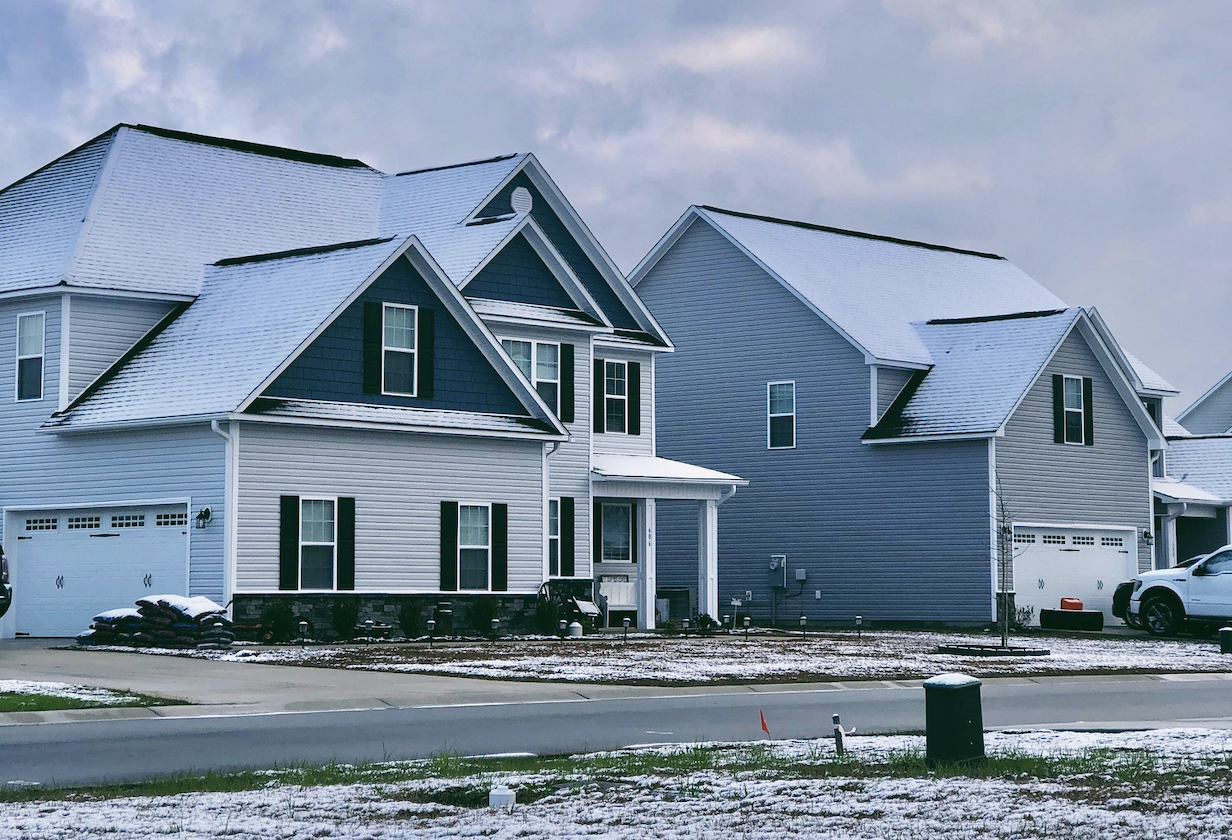
If you’ve left your house for even a minute this winter, you’re well aware that New York is in the middle of a historic streak of low temperatures – in fact, it’s on track to potentially set a citywide record for the longest streak of below-freezing temperatures. When you’re trudging through the snow bundled up in your warmest coat, it’s obvious that winter weather affects you. Importantly, though, it also affects your home. Be on the lookout for these ways winter can impact it.
Snow Can Damage Roofs In More Ways Than One
As charming as a snow-covered rooftop may look, it has the potential to cause more issues than you might think, especially in combination with ice. Snow compacts on top of itself as it falls and then settles in, and the weight of it can weaken and damage your roof’s structural framing. That puts you at risk of the roof leaking into your attic.
Just like the snow on the roof can affect your attic, your attic can also affect the snow: If it’s not insulated well enough, heat will escape, causing snow to melt down the roof and refreeze around the edges and gutters. This creates what’s known as an ice dam. Besides just clogging your gutters, ice dams can cause ice to back up under your shingles and damage your roof even more.
Pipes And Plumbing May Freeze
The biggest risk of frozen pipes is that they can burst and cause extensive damage to your home, but a milder (but still annoying) effect is when they’re so frozen that water can barely trickle out of your faucet. If it’s backed up enough that water is barely coming out or not at all, turn off the water to relieve any pressure that could be building up in the pipes — and to make sure your home doesn’t take on water damage in case a pipe bursts.
If it’s still trickling out a fair amount, but not as much as it should be, it’s actually best to turn the tap on to let water flow through it. This can help melt ice more quickly. If you suspect the issue comes from an easily accessible pipe, like one under a sink, you can also try to thaw it by wrapping it in a hot towel or holding a hair dryer to it. Never use an open flame to attempt to warm pipes.
Frozen Foundations Can Crack Or Shift
The freeze-thaw cycle is basically exactly what its name suggests: The temperature drops low enough for water to freeze, then thaw as temperatures climb back up. When it happens to the ground under your home, the cycle causes it to expand and contract, eventually causing your foundation to shift. Worse yet, it can even cause the foundation to crack, which can lead to more severe structural issues down the line. For peace of mind, it’s best to check on the state of your foundation after a cold snap.
Cold Can Crack Windows
When cold weather starts to damage your windows, it can create a vicious cycle: The glass contracts in the cold, making your home draftier and harder to heat efficiently. If the temperature of the edges of the glass becomes too different from the temperature of the center, the thermal stress can cause cracks, which can then lead to even more thermal stress. The better your windows are insulated, the less likely it is that this will become an issue.
If you’re concerned about any of these problems, the best way to assess how well your home is holding up through the winter is with an inspection. Reach out to me today, hopefully while you’re warm and cozy inside!
