
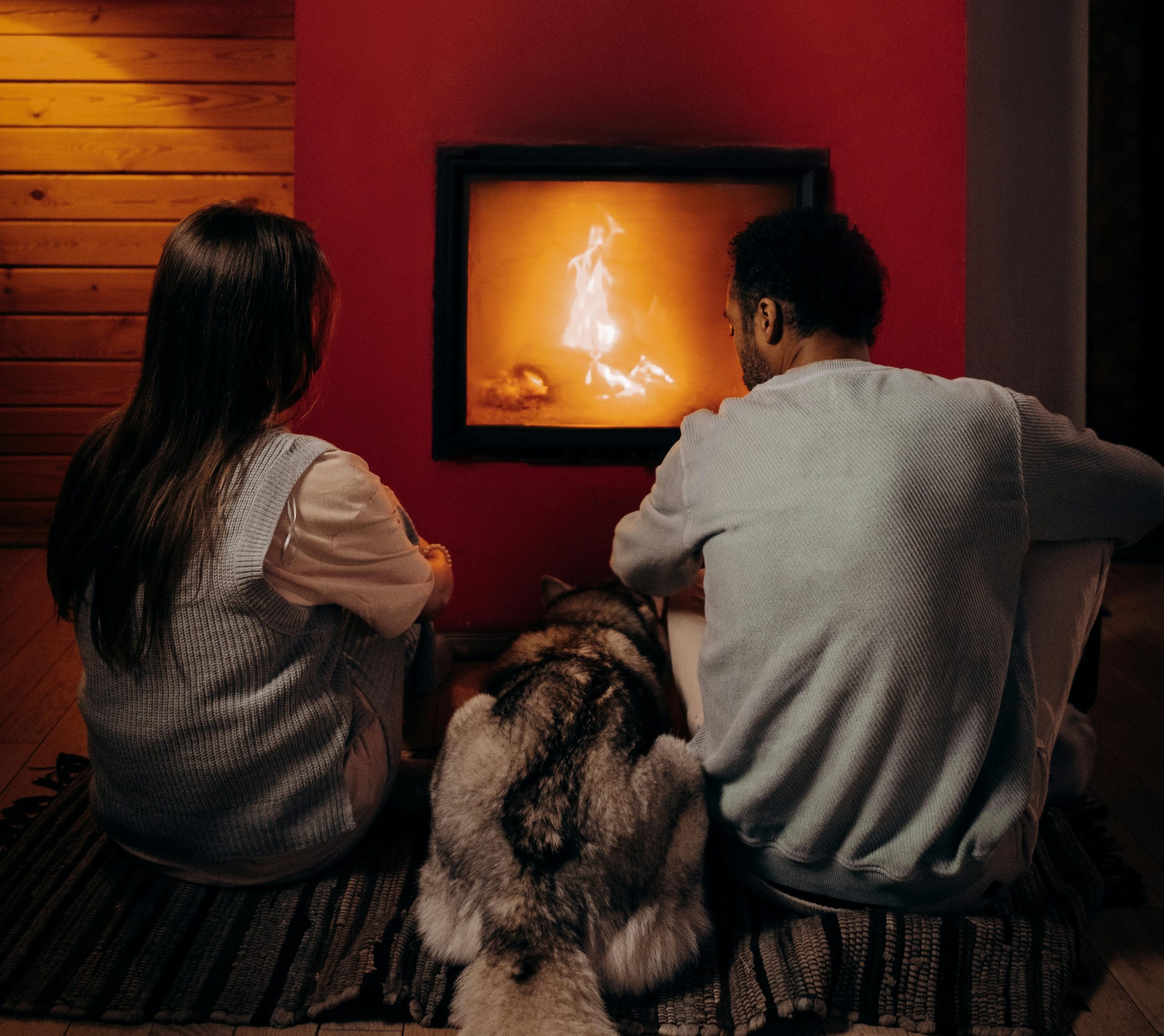
As temperatures plummet outside, everyone wants to come home to a warm, cozy house. But maybe you can’t quite get cozy thinking about your heating bills – according to the National Energy Assistance Directors Association (NEADA), gas and electric bills are on the rise by 8.4% and 10.2% respectively, and some homeowners could pay hundreds more to heat their homes this winter. It’s worth your money and peace of mind to ask yourself: are you heating your home efficiently? There are a few potential problem areas that you can check yourself, but for extra thoroughness, a home inspector can help!
Adjust your thermostat
Everyone’s heard this advice before: keeping your thermostat lower in the winter saves energy, therefore money. It’s popular advice for a reason – the savings payoff might be bigger than you thought! According to the Department of Energy, by turning your thermostat back from its usual setting by 7°-10°F for 8 hours a day, you can cut your heating bill by as much as 10%. Investing in a programmable thermostat makes it easy to schedule how much heat your home needs and when. For example, if you’re leaving your house empty when you’re out at work, that’s a great time to turn the thermostat down.
Maintain your HVAC system
When’s the last time you gave your HVAC system some TLC? Make sure to change your air filters every 30 to 90 days to keep debris from being cycled back through the furnace. Keep fan motors and vents clean to ensure that everything runs as efficiently as possible, since increased efficiency also means decreased energy bills.
While you’re thinking about it, when’s the last time you had your HVAC system inspected? If it’s been over a year since your last inspection, it’s time for a professional like me to come give it a check-up to make sure it’s functioning effectively and safely.
Fix up drafty spots
If hot air is leaking out of your home while cold air is leaking in, you might watch your bills rise while wondering why you still have to wear a sweater indoors. There are a few common culprits of air leaks to check out, including doors, windows, recessed lights, and fireplaces. To identify drafts, you can hold a small flame up to the area (as long as nothing flammable is nearby!) and see how much it flickers.
Once you zero in on the drafty spot, you can add weatherstripping and caulk as necessary to try to patch up leaks. However, some projects, like a leaky or damaged roof or improperly insulated home, are best managed by professionals — that’s where a home inspector (like me!) comes in.
How a home inspector can help
If you’ve run through all these options and still feel like there’s room for improvement in your home’s heating efficiency, getting a home inspection could be the missing piece! Inspectors are professionally trained to help you find potential problem areas in a home, including places you may be losing heat. Attics, basements, doors and windows, fireplaces — all of these are areas that an inspector will be able to help you assess.
If you’re on Long Island and looking for a home inspector, you’ve already found one: me! Don’t hesitate to reach out today.
