
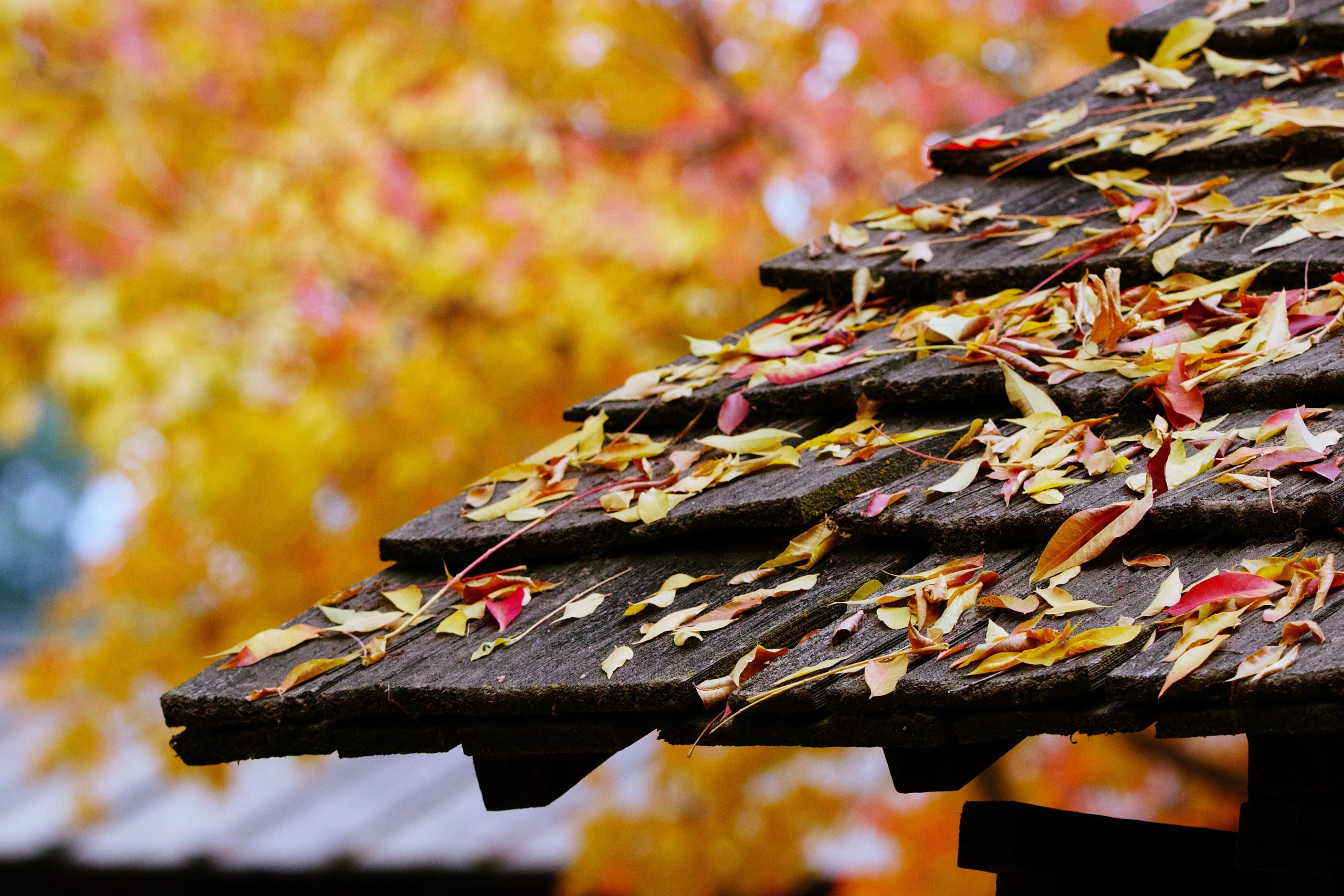
It’s happened to all of us: you’re watching TV on our couch in August, and suddenly, the “back to school” ads are back. Next, you walk into a pharmacy or big box store, and there’s already Halloween decor trickling in. What gives? Isn’t it too early to think about fall?
Not when it comes to the roof over your head. Yes, I’m talking about your whole home, but I’m also being literal here — maintaining your roof is important, and since autumn is closer than you might think, the best time to start preparing is now. Here’s what to do before the weather gets colder and the leaves start falling.
Clean your gutters
Summer storms could be clogging up your gutters more than you think. Before even more leaves start coming down, give those gutters a good cleaning. If you’re doing the cleaning yourself, make sure to do it from the ground with tools like an extendable pole or wet/dry vacuum with a long hose. If you’ve got the knowledge, equipment, and safety awareness to handle these tasks yourself, proceed with caution – but if you’d have to get on the roof to do this, this is most safely left to professionals.
To get even more ahead of debris issues, installing a gutter guard after you’ve cleaned your gutters out can also lead to fewer blockages in the future.
Check your roof for visible damage
You don’t need to get off the ground to do this one. Look up — can you see any missing shingles? Are any of them cracked or curling? Making sure your shingles are in good shape will prevent leaks down the line, and if you notice things like discoloration, that could be a valuable warning sign of moisture damage that you can then take action to resolve.
If you see visible damage and want to know how extensive it is without climbing up on your roof, and whether there are other hidden issues causing damage, it’s a good time to call an inspector.
Trim overhanging trees
If overhanging trees are getting too close to your roof, it’s time for a trim. This is a project you’ll likely want to call in a pro for, especially for larger branches, but it’s worth it to prevent potential issues down the line.
For one, trees directly overhead are more likely to drop leaves and other debris into your gutter and clog it up faster. Worse still, their branches can damage your shingles and lead to costly repairs. Another reason to trim your trees: as more sunlight reaches your roof, it will maximize the sun’s ability to prevent mold and moss growth. It’s a win-win!
Check roof flashings
If you’ve never heard of roof flashings, you’re not alone. FEMA describes them as “a thin layer of waterproof material, typically metal or vinyl, used to prevent moisture from entering the home’s interior and causing damage.” You’ll find it on exterior windows, doors, and anything other roof structures like skylights or chimneys.
They may seem like a small part of the roof, but they play an important role in keeping moisture out of your home. If they look cracked or damaged, or if you see gaps between flashings and the roof, that’s an issue worth hiring someone to address.
If this to-do list feels overwhelming, good news: an inspector can check on all these things for you so you know what needs to be prioritized. And if you’re on Long Island, that inspector could be me! Don’t hesitate to reach out today.
