
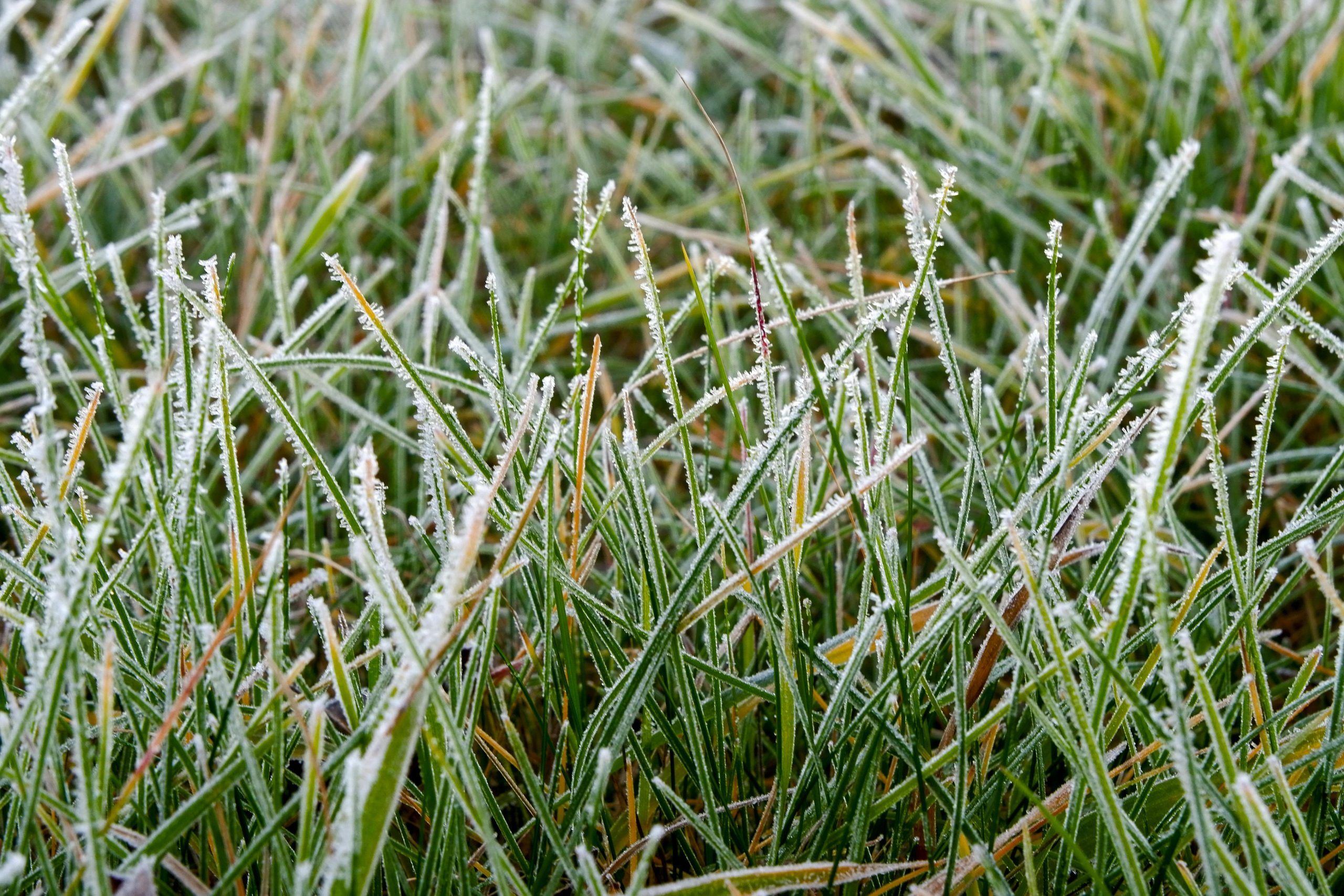
We’ve already talked about how winter weather can damage your home. As the weather warms up, do all those potential problems melt away with the snow? Unfortunately, not quite. You’ve still got to look out for issues caused by the freeze-thaw cycle. This cycle is just what its name suggests — as temperatures fluctuate above and below freezing, water freezes and thaws. When water freezes, it expands and pushes on its surroundings, which can have a detrimental effect on your home in more ways than one.
Your foundation can crack and shift. Water can make its way into tiny cracks in your foundation, and when it freezes, it widens those cracks. This makes room for even more water to seep in and freeze, and over time, this cycle can build up to serious structural damage and shifting of the foundation. Foundations can also heave, which happens when the ground underneath your foundation expands as it freezes. As it pushes on your foundation from below, it can cause floors to become uneven, or even visibly warp the walls of your foundation.
Watch out for water damage. Water isn’t just a problem when it freezes – when it melts, you’ve got a new set of issues. Thawed water can seep into basements and crawl spaces, causing moisture issues like mold, mildew, and structural damage.
The more often the weather is cycling above and below freezing, the more intense these issues are likely to get. The good news is there are steps homeowners can take to mitigate them.
Your home will be in good shape if you have:
Proper drainage: Gutters and downspouts need to be able to do their job of directing water away from your foundation. The more water pools around your foundation, the more likely it is to lead to freeze-thaw damage. Keep gutters clean and clear, and after a storm, make sure there aren’t any visible signs of damage.
A well-sealed and well-insulated foundation: Gaps, cracks, and any other potential leaks should be sealed with a waterproof foundation sealant. You can take this project on yourself, but for anything that looks like serious damage, it’s best to call in a professional. Homes lose a significant amount of heat through their foundation, so you can also have your foundation insulated, either internally or externally.
A consistent indoor temperature: How hot or cold you keep your home can influence the ground temperature around your foundation, too. Though the weather may be unpredictable, try to keep your home’s temperature relatively steady — the Department of Energy recommends keeping your thermostat between 68 to 70ºF in the winter, or slightly lower when you’re asleep or away from home.The best way to know if your home is in good shape after this year’s freeze-thaw cycles is to have your home inspected! That’s where a professional home inspector like me comes in! If you’re on Long Island and looking for an inspection, reach out to me for a checkup for your foundation and the peace of mind that comes with it.
