If you’ve left your house for even a minute this winter, you’re well aware that New York is in the middle of a historic streak of low temperatures – in fact, it’s on track to potentially set a citywide record for the longest streak of below-freezing temperatures. When you’re trudging through the snow bundled up in your warmest coat, it’s obvious that winter weather affects you. Importantly, though, it also affects your home. Be on the lookout for these ways winter can impact it.
Snow Can Damage Roofs In More Ways Than One
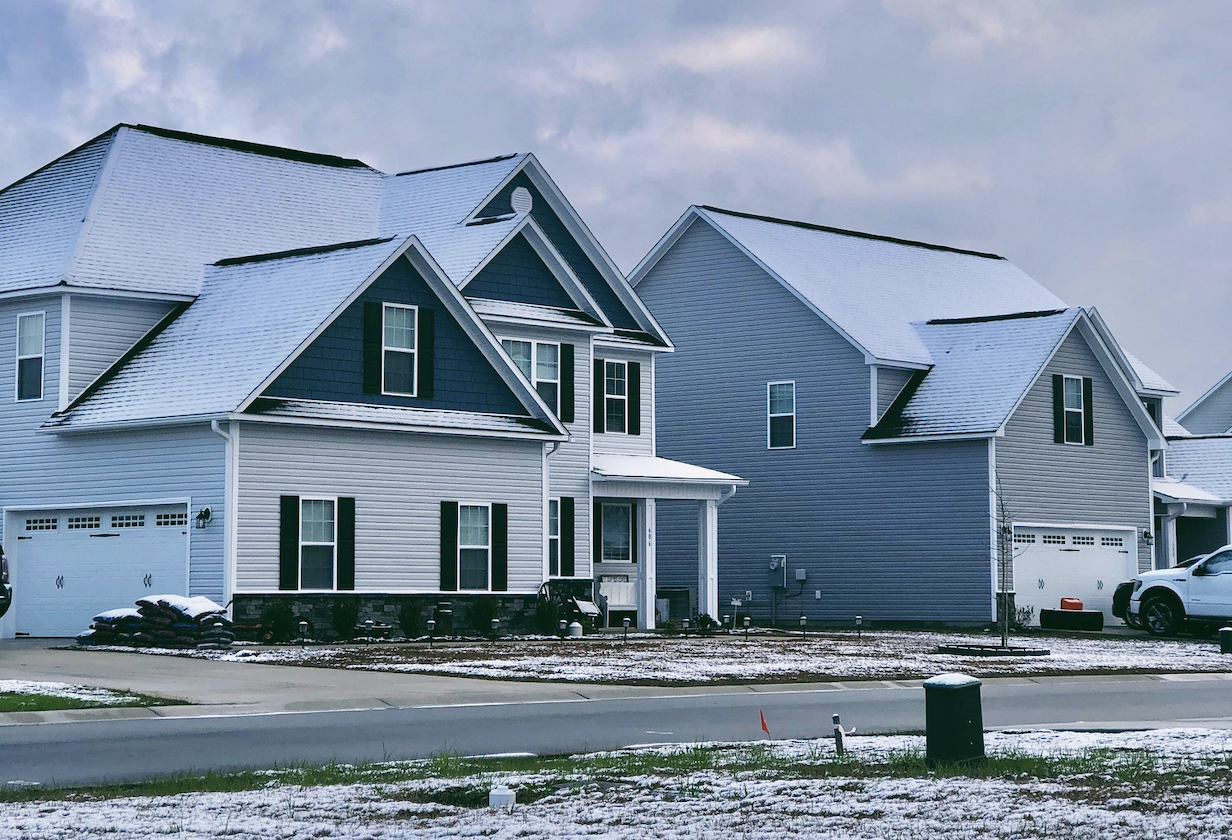
As charming as a snow-covered rooftop may look, it has the potential to cause more issues than you might think, especially in combination with ice. Snow compacts on top of itself as it falls and then settles in, and the weight of it can weaken and damage your roof’s structural framing. That puts you at risk of the roof leaking into your attic.
Just like the snow on the roof can affect your attic, your attic can also affect the snow: If it’s not insulated well enough, heat will escape, causing snow to melt down the roof and refreeze around the edges and gutters. This creates what’s known as an ice dam. Besides just clogging your gutters, ice dams can cause ice to back up under your shingles and damage your roof even more.
Pipes And Plumbing May Freeze
The biggest risk of frozen pipes is that they can burst and cause extensive damage to your home, but a milder (but still annoying) effect is when they’re so frozen that water can barely trickle out of your faucet. If it’s backed up enough that water is barely coming out or not at all, turn off the water to relieve any pressure that could be building up in the pipes — and to make sure your home doesn’t take on water damage in case a pipe bursts.
If it’s still trickling out a fair amount, but not as much as it should be, it’s actually best to turn the tap on to let water flow through it. This can help melt ice more quickly. If you suspect the issue comes from an easily accessible pipe, like one under a sink, you can also try to thaw it by wrapping it in a hot towel or holding a hair dryer to it. Never use an open flame to attempt to warm pipes.
Frozen Foundations Can Crack Or Shift
The freeze-thaw cycle is basically exactly what its name suggests: The temperature drops low enough for water to freeze, then thaw as temperatures climb back up. When it happens to the ground under your home, the cycle causes it to expand and contract, eventually causing your foundation to shift. Worse yet, it can even cause the foundation to crack, which can lead to more severe structural issues down the line. For peace of mind, it’s best to check on the state of your foundation after a cold snap.
Cold Can Crack Windows
When cold weather starts to damage your windows, it can create a vicious cycle: The glass contracts in the cold, making your home draftier and harder to heat efficiently. If the temperature of the edges of the glass becomes too different from the temperature of the center, the thermal stress can cause cracks, which can then lead to even more thermal stress. The better your windows are insulated, the less likely it is that this will become an issue.
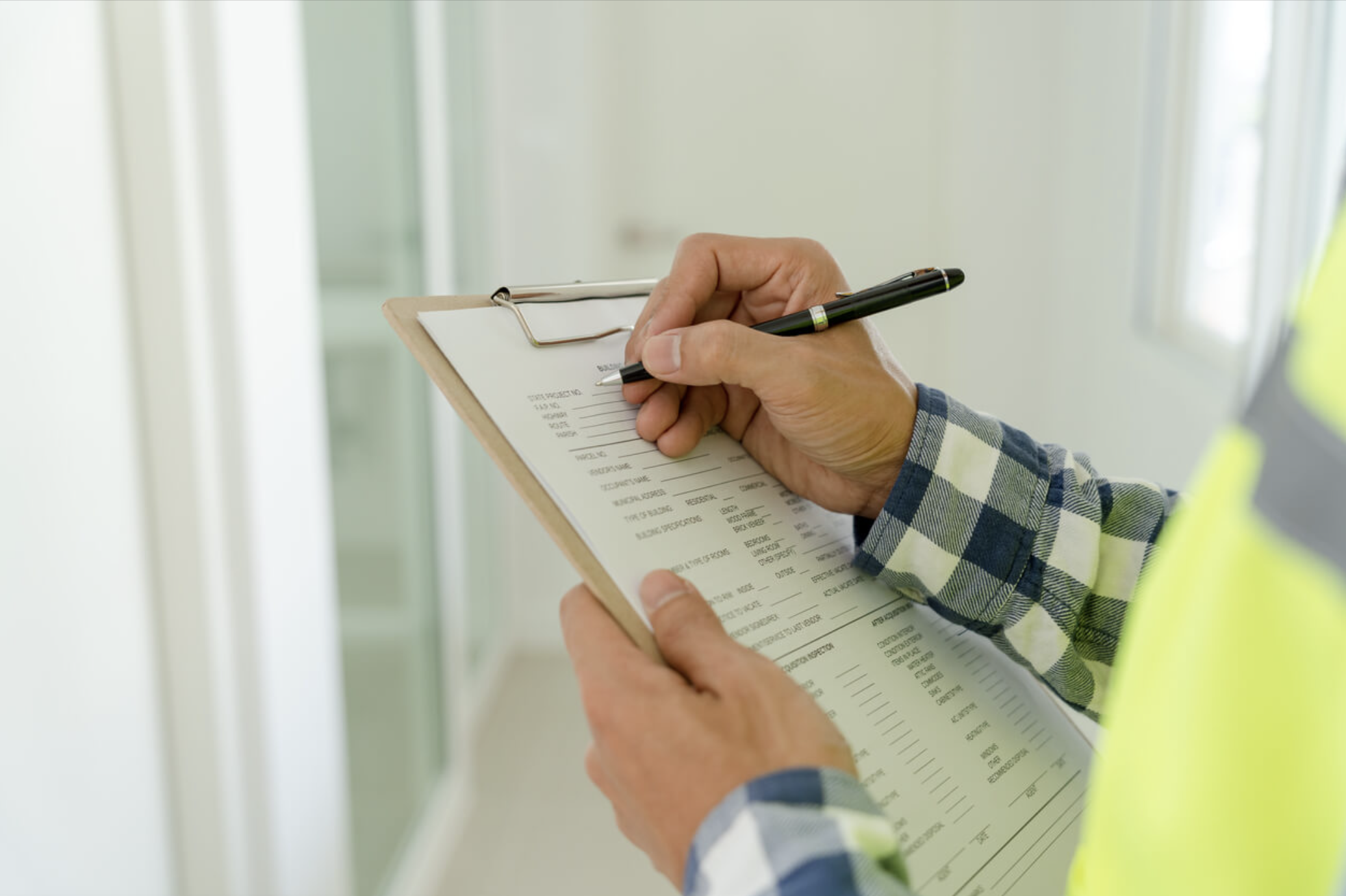
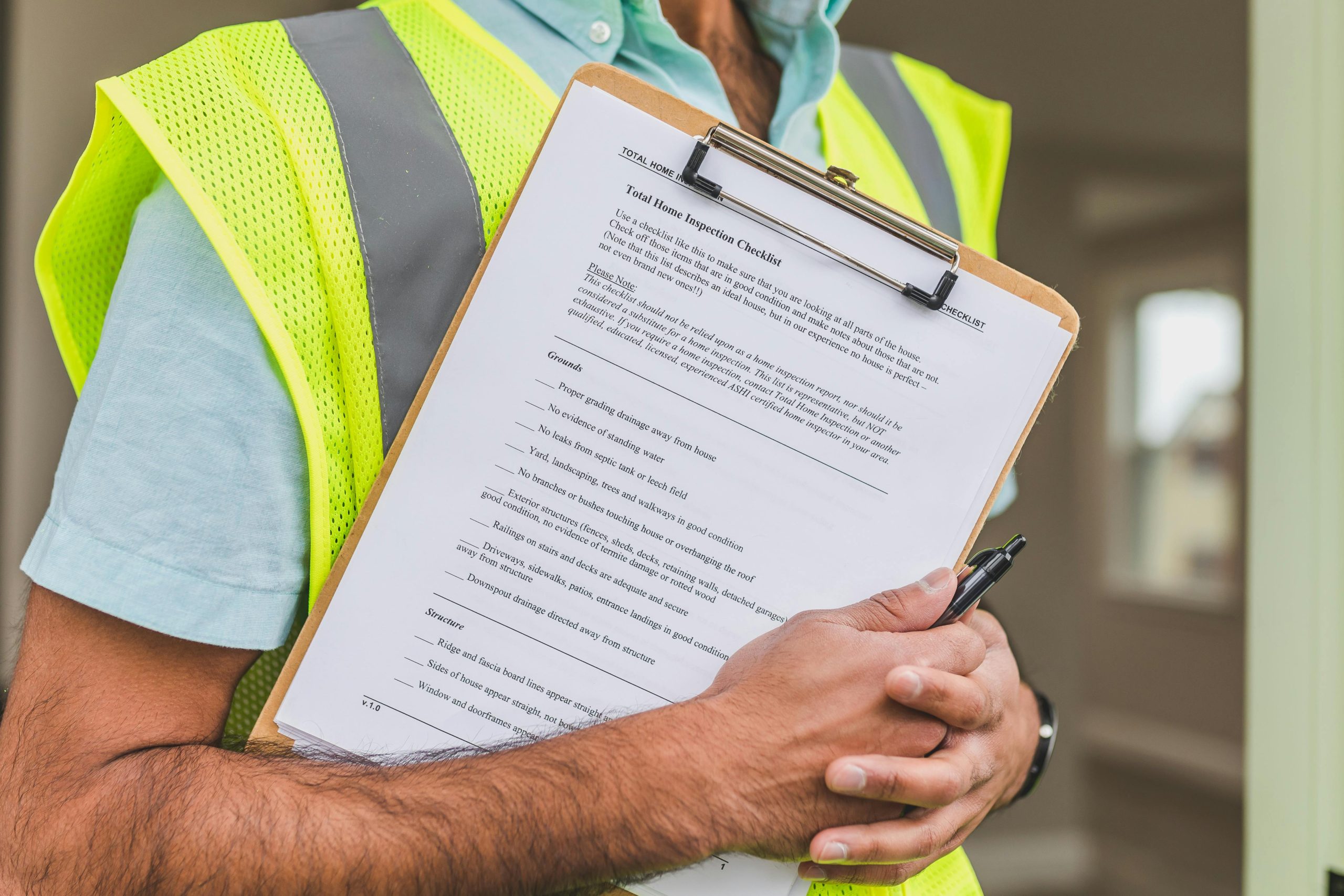
If you’re concerned about any of these problems, the best way to assess how well your home is holding up through the winter is with an inspection. Reach out to me today, hopefully while you’re warm and cozy inside!
There’s a lot I can do for you as a home inspector. Generally, it’s any home inspector’s job to come check out your property and make sure it’s structurally sound, fully functional, and safe to live in. Under New York state law, that includes the foundation, framing, roof, mechanical systems, and structural components. However, just like there’s a minimum for what home inspectors must do for you, there’s also a maximum of what we can do. Here are some things that typically aren’t included in an inspection:
NOT INCLUDED: Appraisal
Despite their similarities, inspection and appraisal are different. A home inspector can’t give you an estimate of your home’s market value, though inspections tend to be a lot more thorough than what an appraisal will look for.
NOT INCLUDED: Inspecting hidden components
Though New York home inspectors are bound to certain things they legally must inspect, that only applies to visible and accessible areas. Don’t expect a home inspection to check on anything that requires opening up walls or other invasive construction procedures. However, inspections do include insulation and crawl spaces.
NOT INCLUDED: Moving personal belongings
Just like we won’t be tearing into walls, we also can’t make areas of the house visible and accessible for you if they’re blocked by furniture or other personal belongings. If there’s a particular area of the home you want to get eyes on, make sure its path is clear before an inspector arrives.
NOT INCLUDED: Repairs
Repairs may be allowed in some states after the sale is complete and escrow is released, but inspectors in New York aren’t legally authorized to perform repairs. But that can actually be a good thing! Think about it: would you want the same person who tells you your HVAC system needs fixing to be the same person who makes money off fixing it? This would be a conflict of interest, so while inspectors can diagnose issues with your home, getting them resolved is up to you and any repair professionals you hire.
TYPICALLY NOT INCLUDED: Lead or asbestos testing (in a standard home inspection)
An inspector can help you uncover a plethora of potential safety issues with your home. However, testing for certain hazardous materials like asbestos or lead requires additional licensing and certification. The good news is that any exclusions to an inspector’s services will be clearly stated before you sign any contract, and if an inspector suspects asbestos or lead, they can help advise you in bringing in an appropriate specialist.
Knowing what a home inspection does and doesn’t cover can be complicated, but if you’re looking for an inspection on Long Island, I can help answer your questions and get you started! Feel free to reach out to me!
Happy almost New Year from us at New Home Inspectors! As you reflect on the past year and set your resolutions for the year to come, there are some resolutions you should set for your home, too. If you haven’t done any of these things since 2024, it’s time to put it on the to-do list for 2026:
Servicing HVAC equipment
While it’s easy to occasionally clean filters and give your HVAC system a visual check-up, your air conditioner, furnace, and boiler need an annual inspection only a professional can handle. Not only is it necessary to make sure everything is running safely and smoothly, but some manufacturers even require yearly maintenance to honor their warranty. Getting an annual inspection can help you get ahead of any HVAC issues, especially before they become a bigger — and more expensive — problem.
Checking your dryer vent
Washing, drying, and folding your laundry feels like enough of a task, but cleaning out your dryer vent at least once a year is important for your clothes and your safety. A clogged dryer vent can dry clothes ineffectively at best, or result in a house fire at worst — according to Consumer Affairs, washers and dryers are responsible for around 4% of all residential fires. The cleaning is doable yourself, but for extra peace of mind, an inspector (like me!) will check that everything is in order.
Washing your home’s exterior
The inside of your home isn’t the only part that needs a deep cleaning once in a while. You should have exterior faucets turned off for winter, so don’t try to do this until the weather has warmed up, but give siding and windows a wash. Inspect any brick masonry for cracks, crumbling spots, or moss growing between bricks — no matter how quaint it may look, it can retain moisture that causes bricks to deteriorate faster. If you’re not sure exactly what to look for, an inspector can help. While you’re checking out the outside of your home, any decks should also be cleaned and sealed once a year.
Reviewing your roof
Giving your roof a visual once-over may be something you can do yourself, but as with any task that requires you to be high off the ground, thoroughly inspecting your roof is a task best handled by professionals. If you can see any cracked or loose shingles, or if you’ve been dealing with leaks, it’s worth getting an inspector to come check it out and determine the best solution to avoid costly repairs down the line.
The good news is that as a home inspector, I can help your home achieve all these New Year’s resolutions! If you’re on Long Island and looking for an inspector, reach out to me today!
As temperatures plummet outside, everyone wants to come home to a warm, cozy house. But maybe you can’t quite get cozy thinking about your heating bills – according to the National Energy Assistance Directors Association (NEADA), gas and electric bills are on the rise by 8.4% and 10.2% respectively, and some homeowners could pay hundreds more to heat their homes this winter. It’s worth your money and peace of mind to ask yourself: are you heating your home efficiently? There are a few potential problem areas that you can check yourself, but for extra thoroughness, a home inspector can help!
Adjust your thermostat
Everyone’s heard this advice before: keeping your thermostat lower in the winter saves energy, therefore money. It’s popular advice for a reason – the savings payoff might be bigger than you thought! According to the Department of Energy, by turning your thermostat back from its usual setting by 7°-10°F for 8 hours a day, you can cut your heating bill by as much as 10%. Investing in a programmable thermostat makes it easy to schedule how much heat your home needs and when. For example, if you’re leaving your house empty when you’re out at work, that’s a great time to turn the thermostat down.
Maintain your HVAC system
When’s the last time you gave your HVAC system some TLC? Make sure to change your air filters every 30 to 90 days to keep debris from being cycled back through the furnace. Keep fan motors and vents clean to ensure that everything runs as efficiently as possible, since increased efficiency also means decreased energy bills.
While you’re thinking about it, when’s the last time you had your HVAC system inspected? If it’s been over a year since your last inspection, it’s time for a professional like me to come give it a check-up to make sure it’s functioning effectively and safely.
Fix up drafty spots
If hot air is leaking out of your home while cold air is leaking in, you might watch your bills rise while wondering why you still have to wear a sweater indoors. There are a few common culprits of air leaks to check out, including doors, windows, recessed lights, and fireplaces. To identify drafts, you can hold a small flame up to the area (as long as nothing flammable is nearby!) and see how much it flickers.
Once you zero in on the drafty spot, you can add weatherstripping and caulk as necessary to try to patch up leaks. However, some projects, like a leaky or damaged roof or improperly insulated home, are best managed by professionals — that’s where a home inspector (like me!) comes in.
How a home inspector can help
If you’ve run through all these options and still feel like there’s room for improvement in your home’s heating efficiency, getting a home inspection could be the missing piece! Inspectors are professionally trained to help you find potential problem areas in a home, including places you may be losing heat. Attics, basements, doors and windows, fireplaces — all of these are areas that an inspector will be able to help you assess.
If you’re on Long Island and looking for a home inspector, you’ve already found one: me! Don’t hesitate to reach out today.
Good news: the holiday season is right around the corner! No matter which ones you celebrate, everyone deserves to have a holiday that’s bright, joyful, and safe. With these tips, you and your family can have peace of mind so you can focus on the festivities. Here’s what to be aware of during the holidays:
Kitchens
Holidays mean plenty of cooking, which means your oven might see more use than usual. To prevent a fire risk, don’t leave your oven unattended — that advice applies year-round! If you have kids, you should also be sure to keep any sharp knives out of their reach.
And of course, there’s the classic holiday fire safety tip that you’re hopefully already aware of: NEVER try to deep-fry a frozen turkey! The moisture of the ice combining with the hot oil turns the ice into steam rapidly, which can blow oil out of the pot and potentially ignite it if it hits a heat source.
Fireplaces
To ensure that your fireplace is safe for Santa AND your family, there are a few precautions to take. Keep anything flammable at least 3 feet away from the fireplace, and never leave the fire going overnight or when you’re not home. Ashes should be placed in a metal container with a lid.
As an extra measure, make sure you have a fire extinguisher accessible somewhere in your home — this is also helpful to have on hand for much smaller fire sources like Hanukkah and Kwanzaa candles, just in case. Avoid leaving candles burning unattended.
Decorations
Decorations are one of the most festive parts of the holidays, but they should be placed thoughtfully. If you have a Christmas tree, keep it at least 3 feet away from all heat sources, especially open flames like fireplaces. If you’re buying an artificial tree, make sure it’s labeled fire resistant! Also, keep fragile ornaments higher up in trees so kids and pets can’t reach them.
For lights, don’t use indoor lights outdoors — they’re not built to withstand weather like rain or snow, and moisture can cause the lights to short-circuit, which can be a fire risk. For lights meant to be outdoors, always use a GFCI outlet (Ground Fault Circuit Interrupter).
Happy Holidays from us at New Home Inspectors, and enjoy celebrating safely!
The chill of fall is finally here, and with the changing seasons comes a little bit of upkeep for homeowners. As temperatures start to drop, it’s important to ensure your home is ready to handle the colder months ahead both comfortably and safely. But where do you even start? Luckily, we’ve got a handy fall home maintenance checklist for you!
Clear your gutters
In an ideal world, you’d have clean gutters year-round, but fall is an especially important time to keep them clear. Falling leaves can clog your gutter and keep water from flowing away from your home, which could lead to water damage. And if your gutter’s source of clogs gets too heavy, they can even start to pull away from your home. Fortunately, cleaning gutters is easy to do yourself with a ladder (and some caution)!
Have your roof checked
Your roof needs a checkup approximately every 3-4 years, so if you’re due for one, fall is a great time to get ahead of any issues before winter comes. You’ll want to make sure your roof is leak-free before any snow or hail falls on it, and an inspector can help you look for signs of damage like missing or broken shingles.
Clean and inspect furnaces and fireplaces
You probably didn’t use heat sources like furnaces and fireplaces much over the summer, so before they go back into your rotation, it helps to know what state they’re in. Clean or replace your furnace filters if they’re dusty to prevent any clogging. As for your fireplace, shine a flashlight up the flue to check for any visible buildup or debris. You may be able to do a basic cleaning of furnaces and fireplaces yourself, but proper inspection for any functional or safety issues is best left to a professional— like me!
Turn off exterior faucets
As temperatures drop, it’s time to retire your garden hose for the season. Water left to freeze in pipes can cause them to burst, so close shutoff valves to outdoor faucets and drain and disconnect any hoses. If you’re having trouble finding the spigot, check on the other side of the wall it connects to. Depending on the layout of your home, it may also be in your basement, crawlspace, or utility closet.
The best way to know if your home is ready for the colder months is to have it checked out by a home inspector. If you’re looking for one on Long Island, don’t hesitate to contact me!
When it’s time to hire a home inspector, where do you start? Sure, you could just Google “home inspectors in my area”, but that still gives you a lot of options to sift through. How can you tell who will be able to get the job done right? Here are some green flags to look for when choosing a home inspector:
They’re licensed and certified
Being licensed isn’t just a green flag– in the state of New York, it’s mandatory. Licensing is a guarantee that your home inspector has completed a certain amount of education and on-the-job training, so by the time they’re looking at your house, they’ll already have hundreds of hours of experience informing them.
Most home inspectors’ websites will be upfront about their licenses and credentials, but if you’re not sure, you can always contact them to ask! Look for qualifications from organizations like the American Society of Home Inspectors (ASHI) or the International Association of Certified Home Inspectors (InterNACHI). As a personal example, I’m a licensed New York State home inspector, accredited with the Better Business Bureau (BBB) certified by InterNACHI, and a member of Metropolitan Association of Home Inspectors (MAHI) as well.
They have positive reviews
Some home inspectors, myself included, have publicly available reviews on their business sites or other sites like Yelp or Google Reviews. If a home inspector has had other happy customers in the past, odds are better that you’ll have a good experience, too.
One or two negative reviews aren’t necessarily a red flag, but pay attention to how the inspector has responded. Are they patient and professional with people who have had issues? If so, that red flag of a one-star review can turn green again.
They let you ask questions before you start working together
A home inspector who truly cares about getting the job done right won’t have a problem with fielding questions about their services before a client commits. They should at least be willing to answer the basics, like what cost you can expect and what their services cover. Some inspectors can even provide a sample report to give you a better idea of what to expect.
You may also want to ask how long they’ve been inspecting for. Everyone has to start somewhere, and even the most newly licensed inspectors have had hundreds of hours of training, but knowing someone has been in business for a long time (in my case, over 10 years!) can bring you extra peace of mind.
They’re upfront with what they CAN’T do
This isn’t a matter of ability, but rather a matter of legal certification. Just like home inspectors have to have certain credentials to practice, so do professionals who handle things like pest control or testing for toxic materials. A good home inspector will be upfront with you if there’s some aspect of your ideal inspection that they can’t help with.
For example, I’m licensed to inspect a home for termites, but not for licensed asbestos testing. Even if one inspector can’t do everything you want, the good news is they probably have a referral for someone who can fill in the gaps.
They have access to advanced inspection technology
Technology has changed almost every job over time, and home inspection is no exception. Yes, we can use our expertise and our eyes to notice some issues, but there are certain tools that can help us uncover problems that may be a little more hidden. In my own inspections, I use a drone to help get a closer look at your roof, as well as a moisture meter and thermal imaging camera to gather the most accurate possible insights into your home’s condition. Consider adding “what technology do you use?” to your list of questions to ask a potential inspector.
Ultimately, what makes a home inspector the right one is up to you, but knowing the basic green flags can help you make a more informed decision. And if you’re looking for a home inspector on Long Island who checks all these boxes, don’t hesitate to reach out to me!